
How to Choose the Right Wheelchair in Kenya: Types, Prices & Expert Buying Guide (2026)
Types, pricing and features to consider when choosing a wheelchair for comfort and long-term use.
How to Choose the Right Wheelchair in Kenya: Types, Prices & Expert Buying Guide (2026)
Types, pricing and features to consider when choosing a wheelchair for comfort and long-term use.
Choosing a wheelchair is an important decision for anyone living with limited mobility, recovering from an injury or supporting a family member who needs assistance moving around. The right wheelchair can improve comfort, make daily activities easier and support greater independence.
In Kenya, wheelchairs are available in different designs, from standard folding models to reclining, commode, paediatric and electric wheelchairs. Before buying, consider the user's mobility, seating needs, weight, home environment and budget.
1. Types of Wheelchairs Available in Kenya
Standard Manual Wheelchair
A standard manual wheelchair has a seat, backrest, footrests and wheels. It may be propelled by the user using the hand rims or pushed by a caregiver.
Best for: General home use, hospital visits, temporary recovery and people who can sit upright comfortably.
Look for a sturdy frame, reliable brakes, comfortable upholstery and foldable construction if the wheelchair needs to fit in a vehicle.
Reclining Wheelchair
A reclining wheelchair has an adjustable backrest that allows the user to sit at different angles. Some models also feature a headrest and elevating leg rests.
Best for: People who need additional positioning support or have difficulty maintaining an upright sitting position for extended periods.
Check the reclining mechanism, head and trunk support, footrest adjustments and the manufacturer's weight limit. Reclining alone does not prevent pressure injuries, so users who spend long periods seated may need additional seating assessment.
Commode Wheelchair
A commode wheelchair is designed to assist with toileting. Depending on the model, it may include a removable bucket and a seat opening, allowing it to be used over a compatible toilet.
Best for: Older adults and people with limited mobility who need assistance with bathroom access.
Before buying, check the seat dimensions, removable components, cleaning requirements, brakes and whether the chair can safely fit over the intended toilet.
Paediatric and Cerebral Palsy Wheelchairs
Paediatric wheelchairs are designed for children and come in smaller sizes. Cerebral palsy wheelchairs and other specialised seating systems may include headrests, lateral supports, harnesses and adjustable positioning components.
Best for: Children or adults who require specialised postural support.
These chairs should be selected with professional guidance where possible. Proper sizing and positioning are especially important for users who cannot independently maintain a stable sitting posture.
Extra-Wide and Heavy-Duty Wheelchairs
These models provide a wider seat or a reinforced frame to accommodate users who need more space or a higher weight capacity.
Best for: Users who do not fit comfortably or safely in a standard wheelchair.
Check the actual seat width and safe working load rather than relying on the label “heavy-duty.” Also confirm that the wheelchair can pass through the doorways and corridors at home.
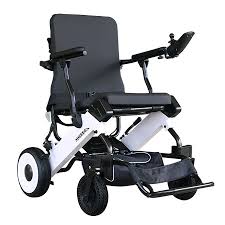
Electric Wheelchair
An electric wheelchair uses a rechargeable battery and motor, commonly controlled by a joystick.
Best for: People who need powered mobility and may not have the strength or endurance to propel a manual chair independently.
Consider battery range, charging time, turning space, terrain, maintenance and transport requirements. Some electric models are foldable, but portability varies considerably.
2. Wheelchair Prices in Kenya (2026)
Wheelchair prices vary by design, materials, size, weight capacity and included features. The following are indicative ranges based on published Kenyan supplier listings, not confirmed Zanmed prices.
Wheelchair type
Indicative price (KSh)
Standard manual wheelchair
11,000–25,000
Paediatric wheelchair
12,000–20,000
Commode wheelchair
17,000–27,000
Reclining manual wheelchair
18,000–35,000
Extra-wide or heavy-duty wheelchair
23,000–35,000
Cerebral palsy wheelchair
38,000–50,000
Electric wheelchair
85,000–130,000+
Actual prices depend on the model, supplier and current stock. Delivery, professional fitting, cushions, warranty and spare parts may be included or charged separately. Request a complete quotation before making a purchase.
3. How to Choose the Correct Wheelchair Size
A wheelchair that is too narrow can cause discomfort and pressure, while one that is too wide may make it difficult for the user to maintain a stable sitting position.
Before ordering, check these measurements:
Seat width: Measure the user's hips while seated and ensure sufficient room without excessive side-to-side movement.
Seat depth: Check the distance from the back of the hips to the back of the knees. The seat should support the thighs without pressing behind the knees.
Seat height: Ensure the user can rest their feet appropriately on the footplates with suitable thigh support.
Backrest height: Choose a height that matches the user's trunk and head support needs.
Overall width: Measure doorways, corridors and other tight spaces the wheelchair must pass through.
For specialised seating, significant postural needs or prolonged daily use, ask a physiotherapist or occupational therapist to assess the user.
4. Important Features to Check Before Buying
Frame quality: Check the frame's construction, joints, finish and stated weight capacity. Steel frames are often economical, while aluminium models may be lighter.
Brakes: Ensure the brakes engage securely and are easy for the intended caregiver or user to operate.
Footrests and armrests: Removable or adjustable components can make transfers easier, depending on the user's needs.
Seat cushion: Consider whether the standard cushion provides adequate comfort and pressure management. A specialised cushion may be appropriate for someone who sits for long periods.
Tyres and wheels: Consider whether the chair will be used mainly indoors, on paved surfaces or on uneven outdoor ground.
Folding and transport: If the wheelchair will be carried in a vehicle, check its folded dimensions and weight.
Warranty and after-sales support: Ask about repairs, replacement tyres, bearings, upholstery, batteries and other spare parts.
5. Which Wheelchair Is Best for Home Use?
The best option depends on how the wheelchair will be used.
Occasional movement and short-term recovery: A standard manual wheelchair may be sufficient.
Difficulty with toileting: Consider a suitable commode wheelchair.
Limited ability to maintain an upright posture: A reclining or specialised supportive wheelchair may be more appropriate following assessment.
A child who needs additional positioning support: Consider a properly fitted paediatric or cerebral palsy wheelchair.
Difficulty propelling a manual chair: An electric wheelchair may offer greater independence if the user can operate it safely.
Need for a wider seat or higher weight capacity: Compare extra-wide and heavy-duty models using their actual specifications.
Do not assume that a reclining wheelchair is automatically the best choice for long-term use. Seating posture, pressure management, transfer needs and the user's ability to move independently should guide the decision.
6. Where to Buy Wheelchairs in Kenya
Zanmed Medical Supplies Ltd supplies medical equipment and mobility aids for individuals, families and healthcare facilities across Kenya.
If you are looking for a wheelchair, contact Zanmed to enquire about available standard, reclining, commode, paediatric and other wheelchair options.
Before ordering, confirm the model, seat width, weight capacity, included accessories, warranty, current price and delivery arrangements. Providing the user's measurements and intended use can help narrow down suitable options.
Frequently Asked Questions
How much does a wheelchair cost in Kenya in 2026?
Indicative prices range from approximately KSh 11,000 for some basic manual models to over KSh 130,000 for selected electric wheelchairs. Specialised seating and premium models may cost more.
Which wheelchair is best for an elderly person?
It depends on the person's balance, strength, posture and ability to transfer. A standard manual chair may suit someone who needs occasional assistance, while a reclining or commode model may be appropriate for other care needs.
Can a wheelchair be used on rough roads?
Some manual wheelchairs can handle uneven surfaces better than others. Check tyre type, wheel size, frame durability and the manufacturer's intended use. Very rough terrain may require a specialised mobility solution.
How do I maintain a wheelchair?
Inspect brakes, tyres, wheels, footrests and frame components regularly. Keep the chair clean, follow the manufacturer's maintenance instructions and arrange repairs when parts become worn or damaged.
Conclusion
Choosing the right wheelchair means balancing fit, comfort, mobility, safety and cost. Compare the available types carefully, measure the user and the home environment, and seek professional advice when specialised seating or long-term daily use is involved.
For wheelchair options and medical mobility aids in Kenya, contact Zanmed Medical Supplies Ltd to enquire about current availability and pricing.
SEO Meta Title: How to Choose a Wheelchair in Kenya: Prices & Types (2026)
SEO Meta Description: Compare wheelchair types and prices in Kenya for 2026. Learn how to choose standard, reclining, commode, paediatric, heavy-duty and electric wheelchairs.
Suggested URL Slug: how-to-choose-wheelchair-kenya