
Best Pressure Mattresses for Bedridden Patients in Kenya: Types, Prices & Buying Guide (2026)
Prevent bed sores and improve patient comfort with the right pressure mattress for home care.
Best Pressure Mattresses for Bedridden Patients in Kenya: Types, Prices & Buying Guide (2026)
Prevent pressure injuries and improve patient comfort with the right pressure mattress for home care.
Caring for someone who spends most of their time in bed requires the right equipment to support comfort and protect their skin. Patients with limited mobility may be at risk of developing pressure injuries, commonly known as bedsores, when prolonged pressure damages the skin and underlying tissue.
A pressure-relieving mattress can help reduce this risk, particularly for patients who cannot reposition themselves independently. In Kenya, options include ripple mattresses, alternating-pressure air mattresses and specialised pressure-redistributing foam mattresses.
This guide explains the main types, their approximate prices and what to consider before buying one for home care.
1. Types of Pressure Mattresses Available in Kenya
Alternating-Pressure Ripple Mattress
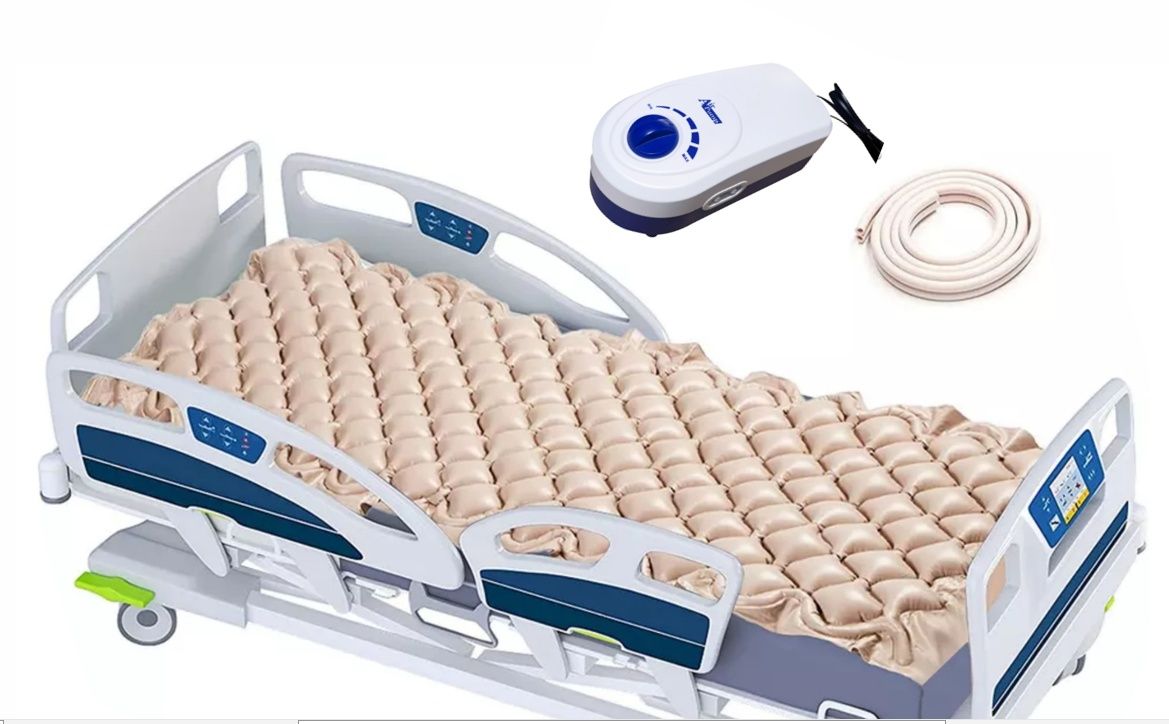
A ripple mattress consists of inflatable air cells connected to an electric pump. The pump alternately inflates and deflates sections of the mattress to redistribute pressure across the body.
Best for: Bedridden patients and people with limited mobility who need additional pressure relief.
Most home-care models are designed to fit over an existing mattress or hospital bed. Check the product dimensions, maximum supported weight, pump operation and warranty before purchasing.
Bubble-Type Ripple Mattress
Bubble-type mattresses have smaller air cells arranged across the sleeping surface. They are commonly available for home care and are often among the more affordable options.
Best for: Families seeking a basic alternating-pressure system for home-based patient care.
Confirm that the pump is included and suitable for continuous operation. Also check that the mattress can support the patient's weight and meets their care requirements.
Tubular or Column-Type Pressure Mattress
Tubular mattresses use larger, elongated air cells. Depending on the model, they may provide greater support, different pressure settings or additional features compared with basic bubble systems.
Best for: Selected patients who need more substantial pressure redistribution or a mattress suited to a higher weight capacity.
Do not assume every tubular mattress is automatically better. The correct choice depends on the patient's pressure-injury risk, weight, skin condition and the mattress's actual specifications.
Pressure-Redistributing Foam Mattress
Specialised foam mattresses distribute body weight across a broader surface without using an electric pump. Some are designed for patients at particular levels of pressure-injury risk.
Best for: Patients whose needs are suited to a static pressure-redistributing surface.
A standard foam mattress and a medical pressure-redistributing foam mattress are not necessarily equivalent. Ask a healthcare professional which type is appropriate for the patient's condition and mobility.
Advanced Alternating-Pressure Systems
Some higher-specification systems offer features such as adjustable pressure settings, static modes, alarms and additional controls. These are generally designed for more demanding clinical or long-term care requirements.
Best for: Patients whose care needs require features beyond those offered by a basic home-care ripple mattress.
Check the manufacturer's intended use and seek clinical advice when selecting a system for someone with existing pressure injuries or complex care needs.
2. Pressure Mattress Prices in Kenya (2026)
Prices vary depending on the mattress type, cell design, pump quality, supported weight and additional features.
Pressure mattress type
Indicative price (KSh)
Basic bubble ripple mattress with pump
5,000–8,000
Tubular or column-type ripple mattress with pump
8,000–13,000
Advanced pressure mattress system
15,000–28,000+
Specialised pressure-redistributing foam mattress
Varies by specification
These are indicative ranges based on published Kenyan supplier listings, not confirmed prices from Zanmed Medical Supplies Ltd. Confirm the current price, specifications, warranty and delivery charges before ordering.
When comparing quotations, check whether the pump, connecting tubes, repair kit or other accessories are included. A lower advertised price may not represent the cost of a complete, usable set.
3. How to Choose the Right Pressure Mattress
The most suitable mattress depends on the patient's condition rather than price alone.
Assess the patient's mobility. Someone who can change position independently may have different requirements from a patient who cannot turn without assistance.
Check the patient's weight. Every mattress has a specified weight capacity. Choose a model that safely accommodates the patient.
Consider the condition of the skin. Persistent redness, broken skin or an existing pressure injury requires appropriate clinical assessment. Do not rely on a mattress alone to treat a wound.
Check the pump and power requirements. Alternating-pressure mattresses require electricity to maintain their cycling function. Confirm the pump's operating requirements and what to do during a power outage.
Confirm mattress dimensions. Ensure the mattress fits the existing bed and can be secured and used according to the manufacturer's instructions.
Ask about maintenance and warranty. Check how to clean the mattress, inspect the air tubes, maintain the pump and obtain replacement parts if necessary.
4. Can a Ripple Mattress Prevent Bedsores?
An alternating-pressure mattress can help reduce prolonged pressure on vulnerable areas, but no mattress can guarantee that bedsores will be prevented.
Good pressure-injury prevention also includes:
Repositioning the patient according to their individual care plan.
Inspecting the skin regularly, especially over the heels, hips, tailbone and other pressure-prone areas.
Keeping the skin clean and managing moisture from sweating or incontinence.
Ensuring suitable nutrition and hydration.
Using appropriate cushions and positioning aids where recommended.
Seeking professional assessment if skin changes or wounds appear.
If a patient develops persistent redness, blistering, broken skin or a wound, contact a qualified healthcare professional promptly. Do not massage reddened or damaged skin.
5. Does a Pressure Mattress Replace a Hospital Bed?
No. A ripple mattress is usually an overlay that sits on top of a compatible existing mattress. It can often be used with a standard bed or hospital bed, provided the dimensions and manufacturer's requirements are met.
A hospital bed serves a different purpose by supporting positioning, transfers and caregiving. Some patients may benefit from both an adjustable hospital bed and a pressure-relieving mattress.
If you are setting up home care, assess the patient's positioning and transfer needs before deciding whether to purchase a hospital bed, a pressure mattress or both.
6. Where to Buy Pressure Mattresses in Kenya
Zanmed Medical Supplies Ltd supplies medical equipment and home-based care products for individuals, families and healthcare facilities across Kenya.
If you are looking for a ripple mattress or other pressure-care equipment, contact Zanmed to enquire about available models, current prices and delivery arrangements.
Before ordering, provide the patient's general care requirements and weight, and confirm the mattress type, pump inclusion, warranty and after-sales support. For patients with existing pressure injuries or complex needs, seek clinical advice to help identify an appropriate mattress.
Frequently Asked Questions
How much does a ripple mattress cost in Kenya?
Basic ripple mattresses with pumps are commonly listed at approximately KSh 5,000–8,000, while some tubular models cost around KSh 8,000–13,000. Prices vary by supplier and specification.
Does a ripple mattress need electricity?
Yes. The alternating-pressure pump requires power to inflate and deflate the air cells. Follow the manufacturer's instructions for power interruptions and do not assume the mattress will maintain its intended pressure-relief function without the pump operating.
Can I use a ripple mattress on a normal bed?
Many home-care models are designed as overlays for an existing bed. Confirm the dimensions, weight capacity and setup instructions before use.
Which is better: a bubble or tubular ripple mattress?
Neither is best for every patient. Compare the cell design, supported weight, pump features and intended use, and seek professional guidance if the patient is at high risk of pressure injuries.
Can a ripple mattress heal existing bedsores?
A pressure-relieving mattress may form part of a pressure-injury treatment plan, but an existing wound needs clinical assessment and appropriate wound care. Do not use the mattress as a substitute for treatment.
Conclusion
Choosing the right pressure mattress can support comfort and help reduce pressure-injury risk for patients receiving care at home. Compare the mattress design, patient weight capacity, pump reliability, warranty and clinical suitability before making a purchase.
For pressure mattresses, ripple mattresses and other home-based care supplies in Kenya, contact Zanmed Medical Supplies Ltd to enquire about current availability and prices.